
Karen: A Legacy of Landscape, Planning and Enduring Value
- 17 Jul, 2026
- 3 Minutes Read
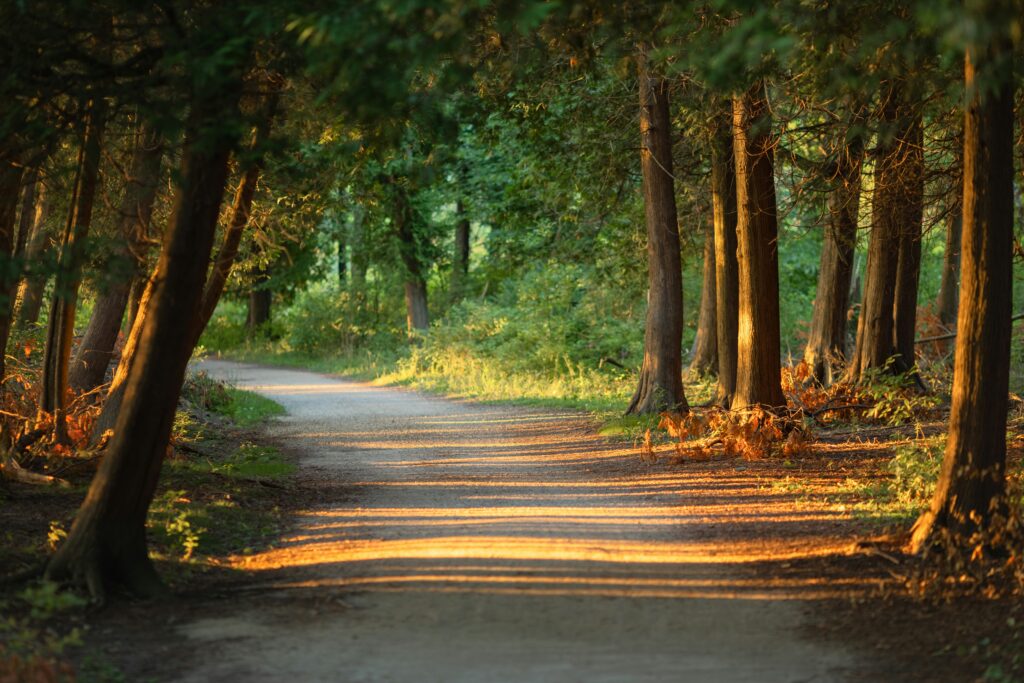
The world’s most enduring neighbourhoods are rarely created by accident — they are shaped by vision, respect for the land and the patience to build for generations.
Few places in Kenya carry the identity and character of Karen.
Known for its mature trees, generous gardens, quiet roads and timeless appeal, Karen has become one of Nairobi’s most sought-after residential neighbourhoods.
Its story, however, began not with houses, but with coffee.
The transformation of Karen offers a compelling lesson for anyone interested in land, development and the creation of communities that endure.
The Story
Karen traces its origins to the early twentieth century, when author Karen Blixen established a coffee farm on the land south-west of Nairobi.
Although coffee farming eventually proved commercially challenging, the landscape left behind something far more enduring.
When the estate was subdivided following the sale of the farm, the opportunity was not simply to create another residential area, but to establish a neighbourhood that respected the character of the land itself.
Unlike many urban development’s driven by density, Karen evolved around open space, natural landscapes and a deep appreciation for the environment.
Those early planning decisions continue to define the neighbourhood nearly a century later.
The Transformation
Karen became desirable not because of individual homes, but because of the experience of living there.
Its enduring appeal is rooted in qualities that remain relevant today:
- Generous green spaces.
- Low-density planning.
- Respect for the natural landscape.
- A strong sense of identity.
- Long-term stewardship rather than short-term expansion.
These elements have allowed Karen to remain one of Nairobi’s most resilient residential markets despite decades of urban growth.
The Lesson
Karen reminds us that land should not simply be developed — it should be understood.
The best residential communities respond to their landscape rather than erase it.
They preserve natural features, create lasting identity and offer residents a lifestyle that extends well beyond the walls of their homes.
For today’s landowners and developers, Karen demonstrates that successful development is about more than construction. It is about creating places people continue to value for generations.
Looking Ahead
As Nairobi expands, emerging residential locations have an opportunity to learn from Karen’s legacy.
The communities that define the next chapter of the city’s growth will be those that balance thoughtful planning with environmental stewardship, connectivity and an enduring sense of place.
Great neighbourhoods do not become exceptional overnight. They evolve through vision, patience and an unwavering commitment to quality.
Every great place begins as land. What determines its future is vision.