
Ancestral land key to future of real estate
- 23 Jun, 2026
- 2 Minutes Read
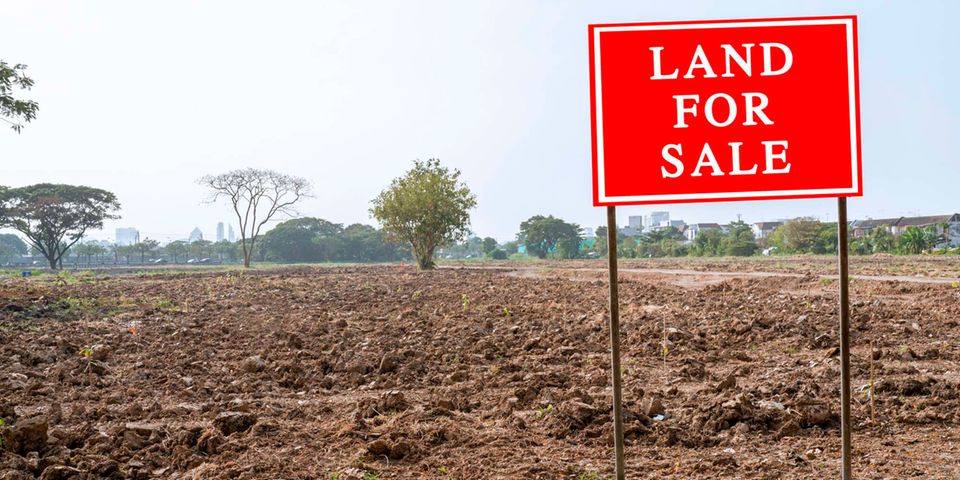
Kenya’s most significant real estate opportunity is not solely dependent on capital, market sentiments, or a favourable interest rate cycle. It sits, largely undisturbed, across the established suburbs of Nairobi and the urban corridors extending beyond them — in the form of family-held and institutional land that has appreciated quietly for decades, while the country around it has grown faster than the infrastructure serving it.
The real question is whether Kenya’s development industry possesses the capability to unlock this opportunity, not only in technical expertise, but in governance, execution, and partnership structures that can realise value in a manner truly commensurate with what these landowners deserve.
Land in Kenya carries a value that balance sheets can not capture. For the families who have held prime parcels across Karen, Runda, Kitisuru, Muthaiga, and the Coast, these are not simply developable assets. They are the physical record of a family’s history accumulated across generations, often at significant personal cost, and held with a sense of stewardship that extends well beyond the current generation’s interests.
This relationship between Kenyan families and their land is a strength, not an obstacle. The discipline of holding, of resisting short-term pressure in favour of long-term preservation, reflects a sophistication about value that many purely financial actors lack. What is changing is not that conviction, but the landscape of opportunity surrounding it.